
Jewelry Piece of Gold and Agate

Description
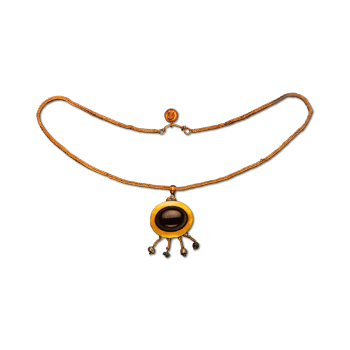
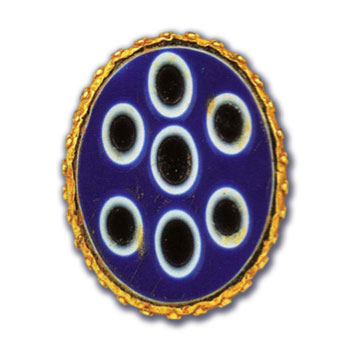
This jewelry piece, crafted of gold with agate inlays, illustrates Roman-period luxury and the role of Syrian workshops in Mediterranean trade. Gold was valued for its ductility and permanence, easily mined as nuggets or from ores in regions such as the Caucasus. Syrian goldsmiths transformed this metal into ornaments, with Pliny the Elder attributing to Phoenicians the invention of gold-working techniques. The inlays are cut from agate, a semiprecious stone prized for its multicolored banding, imported from India. The large dimensions of this piece (41 x 33 cm) suggest an ornamental panel, possibly for ceremonial attire or ritual display, rather than an item of daily wear. Its craftsmanship reflects both technical mastery and the cultural prestige of precious materials in Roman Syria.








Leave A Comment