
Gold and Agate Jewelry Piece

Description
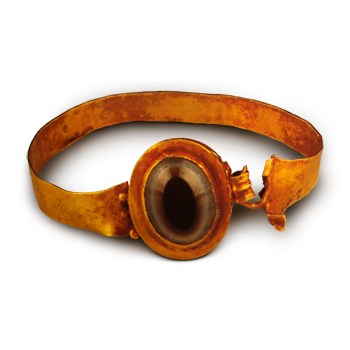
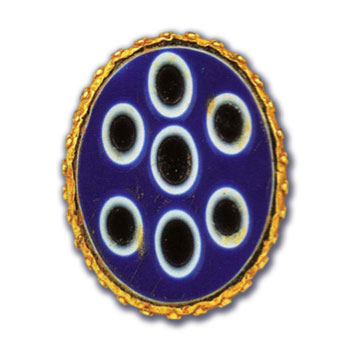
This small ornament, crafted in gold with agate inlays, illustrates Roman-period jewelry traditions and the role of Syrian workshops in Mediterranean luxury trade. Gold, though precious, was relatively easy to obtain as river-worn nuggets or from ores, and was valued for its ductility—easily worked without breaking. Pliny the Elder credits Phoenicians with pioneering methods of gold processing, highlighting the Levant’s reputation in the field. The inlaid agate, prized for its banded colors, was likely imported from India, a major Near Eastern source. Measuring just 5.4 x 2.1 cm, the piece’s modest scale suggests use as a pendant, bead, or element in a larger necklace. It embodies both the technical artistry of Syrian goldsmiths and the far-reaching networks of Roman trade.








Leave A Comment