Description
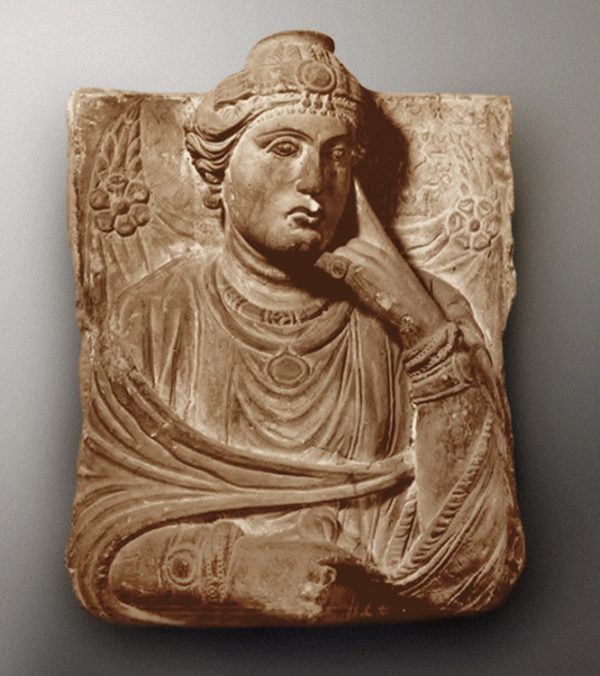
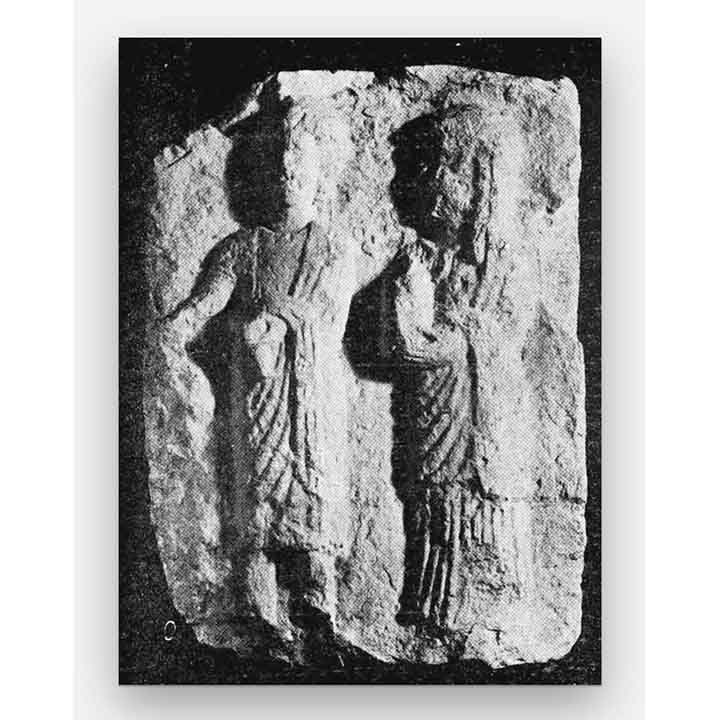
The portrait of a certain Palmyrene woman, shows her with a particular hair arrangement that evokes the hairstyles popular among the imperial women from the Antonine dynasty. She is wearing a veil, it falls behind the right shoulder and is folded across the torso from the right upper arm.
The Antonine Dynasty, which ruled the Roman Empire from 96 to 192 CE, saw a continuation and evolution of Roman fashion and hairstyles. During this period, the influence of the Roman Empire extended across a vast territory, incorporating diverse cultures and styles. The aspects of fashion and hairstyles during the Antonine Dynasty will include
1. Women’s Attire:
Women’s clothing during the Antonine period included various styles of stolas (long dresses) and tunics. The garments were often draped in a graceful and flowing manner.
Richly decorated and colorful fabrics were favored by those who could afford them, and elaborate hairstyles were complemented by the use of hairpins and hairnets.
2. Hairstyles:
Hairstyles for both men and women during the Antonine Dynasty reflected a level of sophistication and artistry.
Men often wore short hair, and the style might involve slight curls or waves. Beards were generally less common during this period, with many men opting for a clean-shaven look.
Roman women, on the other hand, displayed a variety of intricate hairstyles. These often included elaborate arrangements of curls, waves, and braids. Hair was sometimes piled high on the head, and accessories like ribbons and jeweled pins were used for embellishment.
4. Cosmetics:
Cosmetics were commonly used by both men and women. This included various creams, powders, and ointments applied to the face to enhance features and achieve a fashionable appearance.
The use of perfumes and scented oils was also widespread, contributing to the overall grooming habits of the time.
5. Influences from the East:
During the Antonine period, the Roman Empire had significant contact with Eastern cultures, including those in the Middle East. This exchange influenced fashion, with garments and accessories reflecting Eastern styles.
6. Jewelry and Accessories:
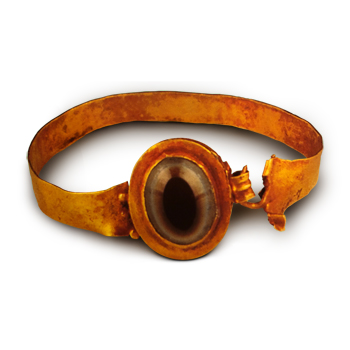
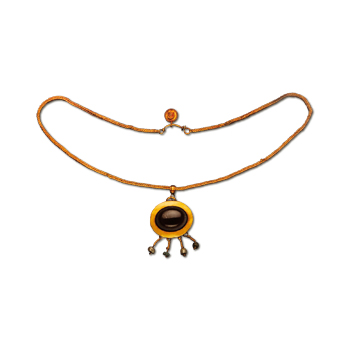
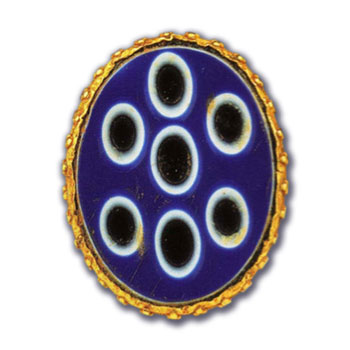
Jewelry was an essential part of fashion for both men and women. Rings, bracelets, necklaces, and earrings were commonly worn.
Wealthy individuals often adorned themselves with precious stones and metals, displaying their social status through their choice of accessories.
It’s important to note that fashion and grooming practices varied among different social classes, and the elite classes had more resources to indulge in luxurious clothing and accessories. The Antonine Dynasty witnessed a continuation of Roman traditions while also embracing influences from the diverse regions within the empire.









Leave A Comment