Ivory Plaque From Arslan Tash

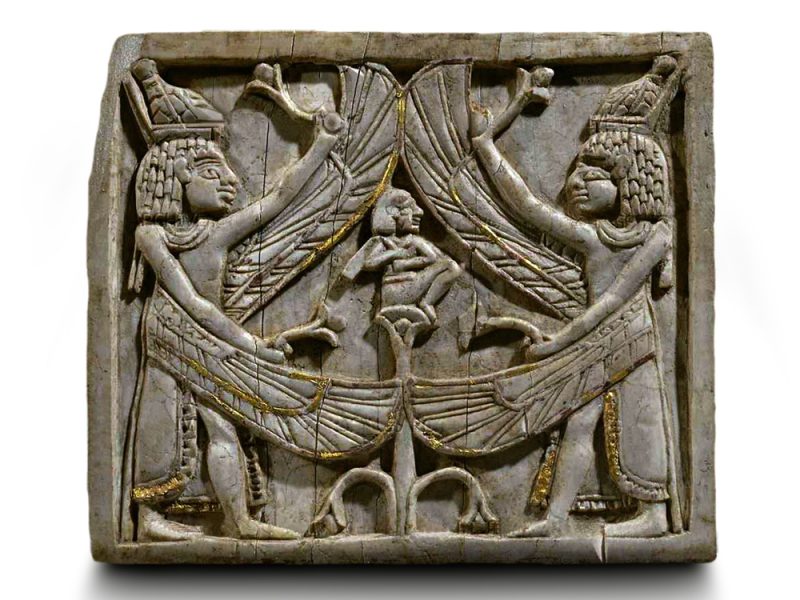
Ivory plaque from Arslan Tash, 1st millennium BCE, carved with intricate motifs, National Museum of Aleppo

Description

During the early first millennium B.C., ivory carving was one of the major luxury arts that flourished throughout the ancient Near East. Elephant tusks were carved into small decorative objects such as cosmetic boxes and plaques used to adorn wooden furniture. Gold foil, paint, and semiprecious stone and glass inlay embellishments enlivened these magnificent works of art. Based on certain stylistic, formal, and technical characteristics also visible in other media, scholars have distinguished several coherent style groups of ivory carving that belong to different regional traditions including Assyrian, Phoenician, North Syrian and South Syrian (the latter also known as Intermediate).

  • Site: Arslan Tash (Arsalan Tash أرسلان طاش)

  • Date: C 800 BC

  • Material: Ivory

  • Item size: 3.5 Inches x 3

  • Archaeological Mission: French archaeological mission

  • National Museum Of Aleppo (2011) – Museum Number: Aleppo

  • VMS Code: Alp 0148

Excavation Site Location

  • Turner, Geoffrey. “The Palace and Bâtiment aux Ivoires at Arslan Tash: A Reappraisal.” Iraq 30, no. 1 (1968).

Your Content Goes Here

Your Content Goes Here

Not every record you will find here is complete. More information is available for some works than for others, and some entries have been updated more recently. Records are frequently reviewed and revised, We welcome any additional information you might have.

Record Completion 70%