The National Museum of Aleppo (Arabic: متحف حلب الوطني‎) is the largest museum in the city of Aleppo, Syria, and was founded in 1931. It is located in the heart of the northern city on Baron Street, adjacent to the famous Baron Hotel and near the Bab al-Faraj Square and Clock Tower. The majority of the museum’s exhibitions are devoted to the archaeology of Syria, with most of the finds coming from archaeological sites of the northern part of the country.

Learn More

Museum Galleries

  • Prehistoric Art: Showcasing bones, stone tools, and pottery from across Syria and the Euphrates Valley, this section traces human presence in the region from the Lower Paleolithic onward. A key highlight is the collection of Neanderthal remains from the Dederiyeh Cave, discovered near Afrin, northwest of Aleppo. These remarkably preserved fossils, provide vital evidence of early human life in the Levant and are among the most important paleoanthropological finds in the Near East.

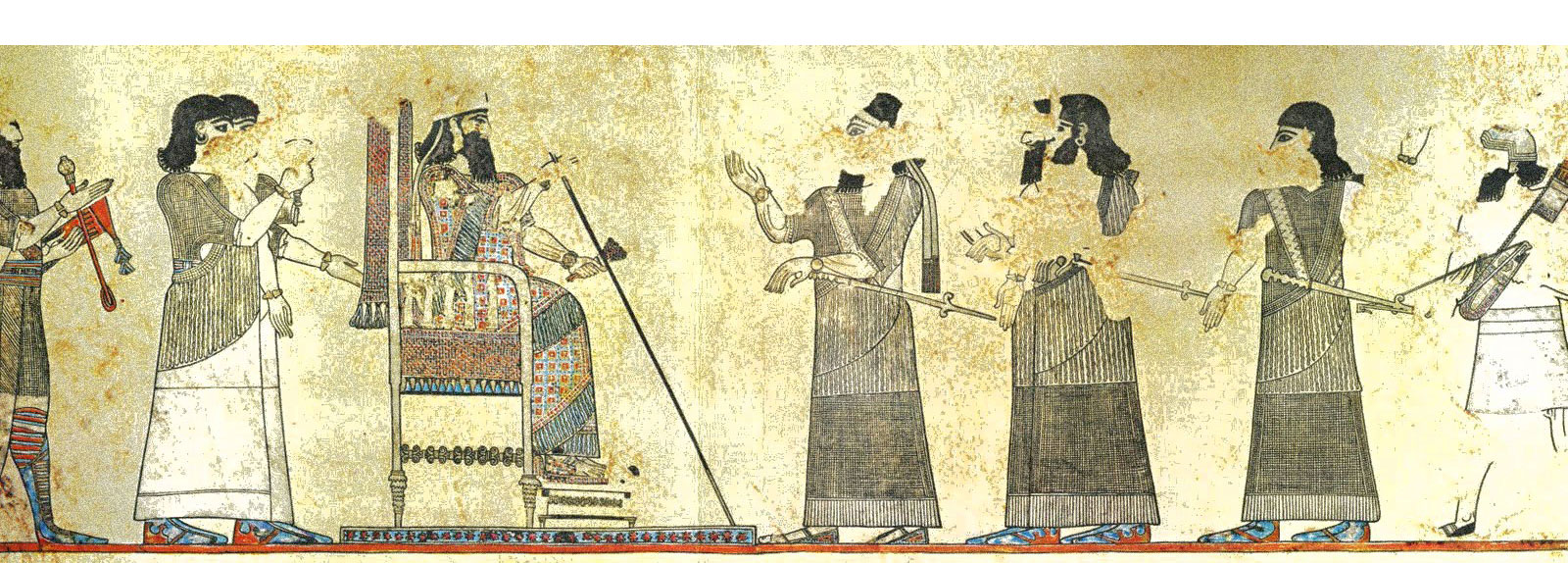
  • Ancient Near Eastern Art from Syria: One of the museum’s most significant sections, displaying artifacts in chronological order from major sites such as Tell Halaf, Mari, Ugarit, and Ebla—centers of early urban civilization, writing, and state formation.

  • Classical Art (Greek, Roman, and Byzantine Periods): Features pottery, coins, limestone funerary reliefs from Mambij (Hierapolis Bambyce), and a notable collection of Roman and Byzantine glass vessels used for perfumes, kohl, and medicines.

  • Arab-Islamic Art: Exhibits are organized by function and medium, including ceramics, metalwork, and glass from the Umayyad, Abbasid, Ayyubid, and Mamluk periods. Highlights include a finely carved stone cenotaph in floriated Kufic script, a collection of early Islamic gold and silver coins, and an ornate Ottoman wooden ceiling displayed in a dedicated chamber.
  • Modern Art: A tribute to Syrian artistic expression, particularly by Aleppine painters, featuring works in realism, cubism, expressionism, and other modern styles.