
Head-shaped cup
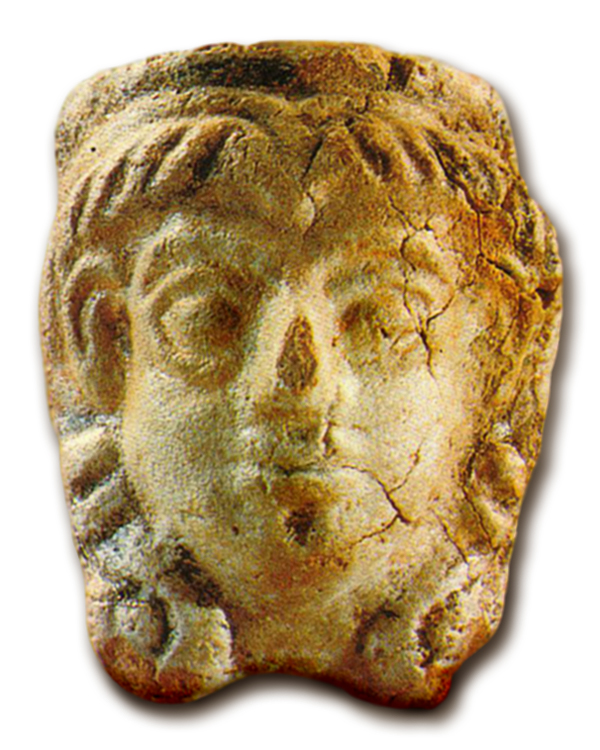
Description
The face on this cup was made in a mold, while the back of the head was sculpted. The strands of hair ending in curls are highlighted with black shadows. The hair on the back is indicated by a few black lines on a bluish background. Although the cup was not found in the temple, we may assume that it was meant as a votive offering. It is made of clay, first modeled, then fired, and in a later process glazed and fired again.
At the time of the earliest examples of writing, northern Syria was a center of faience production. At Tell Brak various faience objects were found, such as beads, rosettes, and animal figurines. Faience reached the height of its popularity in the second half of the second millennium, a period from which numerous vessels from Ashur, Babylon, and Ugarit are known.





Leave A Comment