Mosaic Glass Bowl

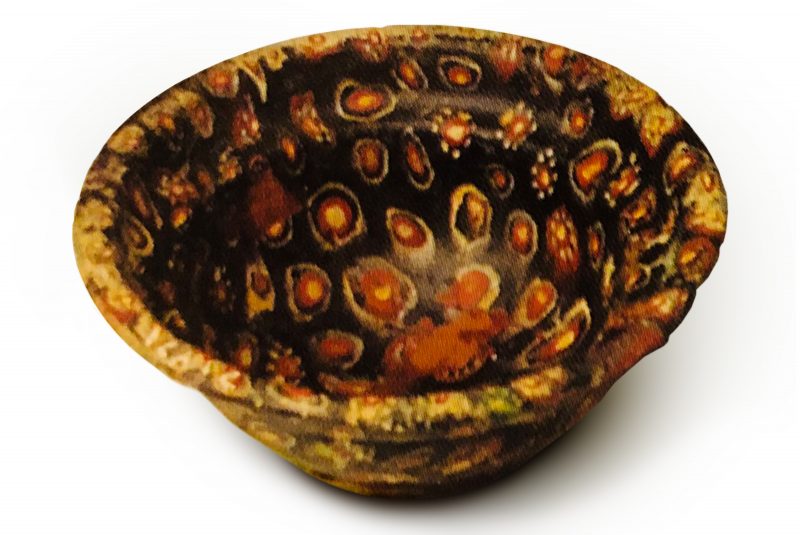
Mosaic glass bowl, 10 x 4.5 cm, produced by fusing multicolored glass canes in a mold. Excavated from Homs, Syria, c.100 CE. National Museum of Damascus.

Description

The surface of this bowl shows that the term ” mosaic glass” is an appropriate one for designating the type of glass they are made of. The earliest examples of objects made with this technique date to the middle of the second millennium BC. Mosaic glass is obtained by making a bundle of different-colored glass canes and slicing it widthwise into little rounds. These are set one beside the other in a mould that is then placed in a kiln. This glass molding technique continued to be used until the first century of our era but was eventually supplanted by glassblowing. Glass receptacles were not used as everyday objects until that time.

  • Site: HOMS

  • Date: 100 A.D

  • Material: Glass

  • Item Dimensions: 10 x 4.5 cm

  • Archaeological Mission:

  • National Museum Of Damascus (2011) – DAMASCUS 5738/

  • VMS Code: Dam

Excavation Site Location

Your Content Goes Here

Your Content Goes Here

Your Content Goes Here

Your Content Goes Here

Not every record you will find here is complete. More information is available for some works than for others, and some entries have been updated more recently. Records are frequently reviewed and revised, We welcome any additional information you might have.
Record Completion 70%