
Weather God of Tell Ahmar (Tarhunza)

Description
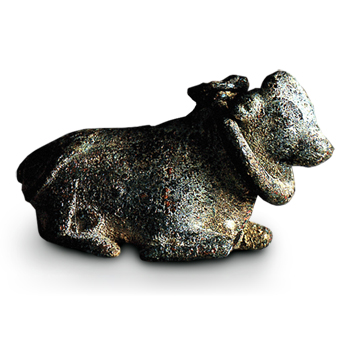
The Weather God of Aleppo was one of the major deities of northern Syria, with a religious tradition extending from the Bronze Age into the Iron Age. He was known under different names according to language and cultural setting, including Hadda/Hadad or Addu in Semitic traditions, Teššub in Hurrian tradition, Tarḫunna in Hittite, and Tarhunza or Tarhunt in Hieroglyphic Luwian sources.
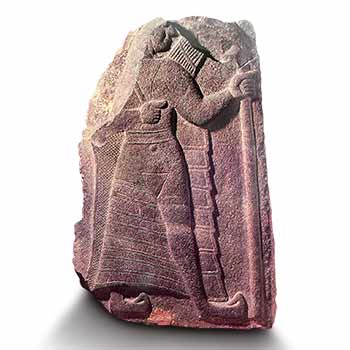
At Tell Ahmar, ancient Masuwari and later Til Barsip, the Weather God held an important place in the religious life of the local Iron Age kingdom. The rulers of Masuwari used Hieroglyphic Luwian in their monumental inscriptions, where Tarhunza appears under several designations, including Celestial Tarhunza, Tarhunza of the Army, and the Storm-God of Aleppo. These attestations place the deity within the particular religious environment of northern Syria, where older Syrian traditions interacted with Hurrian and Anatolian cultural elements.
Associated with storms and rain, and consequently with agricultural fertility, the Weather God was also closely connected with protection, warfare, and royal authority. The Tell Ahmar evidence is particularly important because it documents the continuing prominence of the Weather God of Aleppo within the political and religious landscape of the region during the early first millennium BC.





Leave A Comment