Description
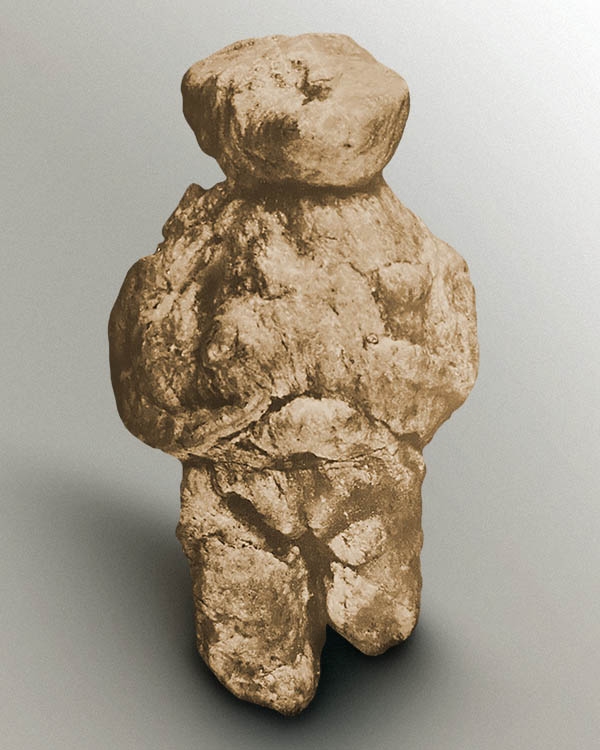
According to several archaeologists, a new form of symbolic representation emerged in Syria during a period characterized by significant societal changes. This period also witnessed the earliest evidence of agricultural practices that would later play a pivotal role in the development of societies. Female figurines became part of the material culture of these early farming communities, believed to symbolize the fundamental principle of fertility. The featured figurine holds great significance as one of the oldest surviving examples of its kind, carved from stone while later iterations were made of terra cotta.
At Mureybit, human figurines were crafted either from clay or carved in soft limestone. Their forms varied from highly simplified to more naturalistic representations. The earliest examples predominantly depict females, leading scholars to classify them as divine images associated with fertility cults, rather than self-portraits of the hunter-gatherer populations. Fertility goddesses predating the advent of agriculture have been discovered at Mureybit, indicating their longstanding presence. Around 7000 B.C., a male deity was introduced, although remaining of lesser significance compared to the female deity.


Leave A Comment