

The Archaeological Museum of Raqqa
Raqqa Museum (Arabic: مَتْحَفُ الرَّقَّةِ, romanized: Matḥaf ar-Raqqah), is a museum in Raqqa, Syria founded in 1981. The structure housing the museum was built in 1861 and served as an Ottoman governmental building. The museum is dedicated to the preservation of the culture of the Raqqa province. At its peak, before the war, the museum housed some 8900 artifacts from the surrounding regions.
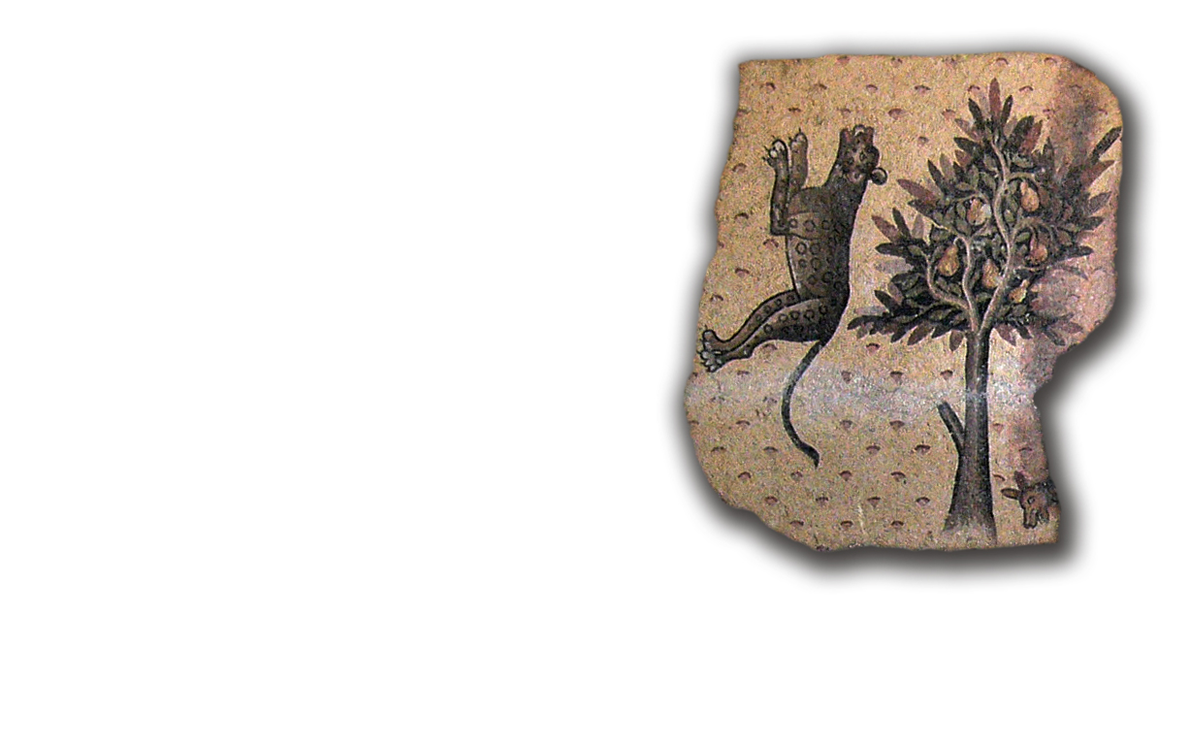
The museum is dedicated to the preservation of the culture of Raqqa province. The museum curates large collections gathered from excavation research in the region of Tell Sabi Abyad, Tell Bi’a, Tell Chuera, Tell Munbaqa, and from various artifacts dating to Roman and Byzantine times, as well as more recent objects from the Islamic period (notably the epoch of Haroun al-Rachid).
At its peak, the museum housed some 8600 artifacts from surrounding regions. The Syrian war caused damage to the museum and many items were stolen and destroyed during ISIL’s rule over Raqqa. In early 2018, after the capture of the city by the Syrian Democratic Forces in October 2017, the Raqqa Civil Council’s “Committee of Culture and Antiquities” in cooperation with the Vision (Ro’ya) Organization started to restore the building and to track down the stolen artifacts.
The collection of artifacts displayed in the museum falls within historical semantic frameworks and classifications, according to the time periods to which they date. The exhibits are displayed in the old two-story building and outside in the front and back gardens. The museum also includes a special hall for popular traditions, for which a space has been allocated on the second floor.